


Why is sexuality education important?
Teachers and other educators can help young people grow into strong and confident adults.
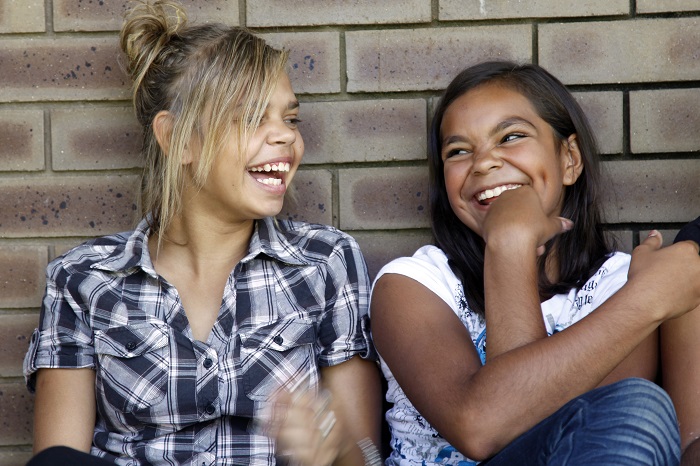 The information in this section is intended to assist educators to deliver age-and-culturally-appropriate relationships and sexuality education to young Aboriginal people.
National survey data (Ward et al., 2020) shows that many Aboriginal and Torres Strait Islander young people begin exploring intimate relationships around age 16, similar to their peers across Australia. Young people also highlight the value of having culturally relevant, community‑led information to guide their decision‑making.
By building on community strengths, knowledge systems and cultural practices, educators can help support the wellbeing of young people, their families and their communities. The Western Australian Department of Health recognises school‑based relationships and sexuality education as an important part of this work.
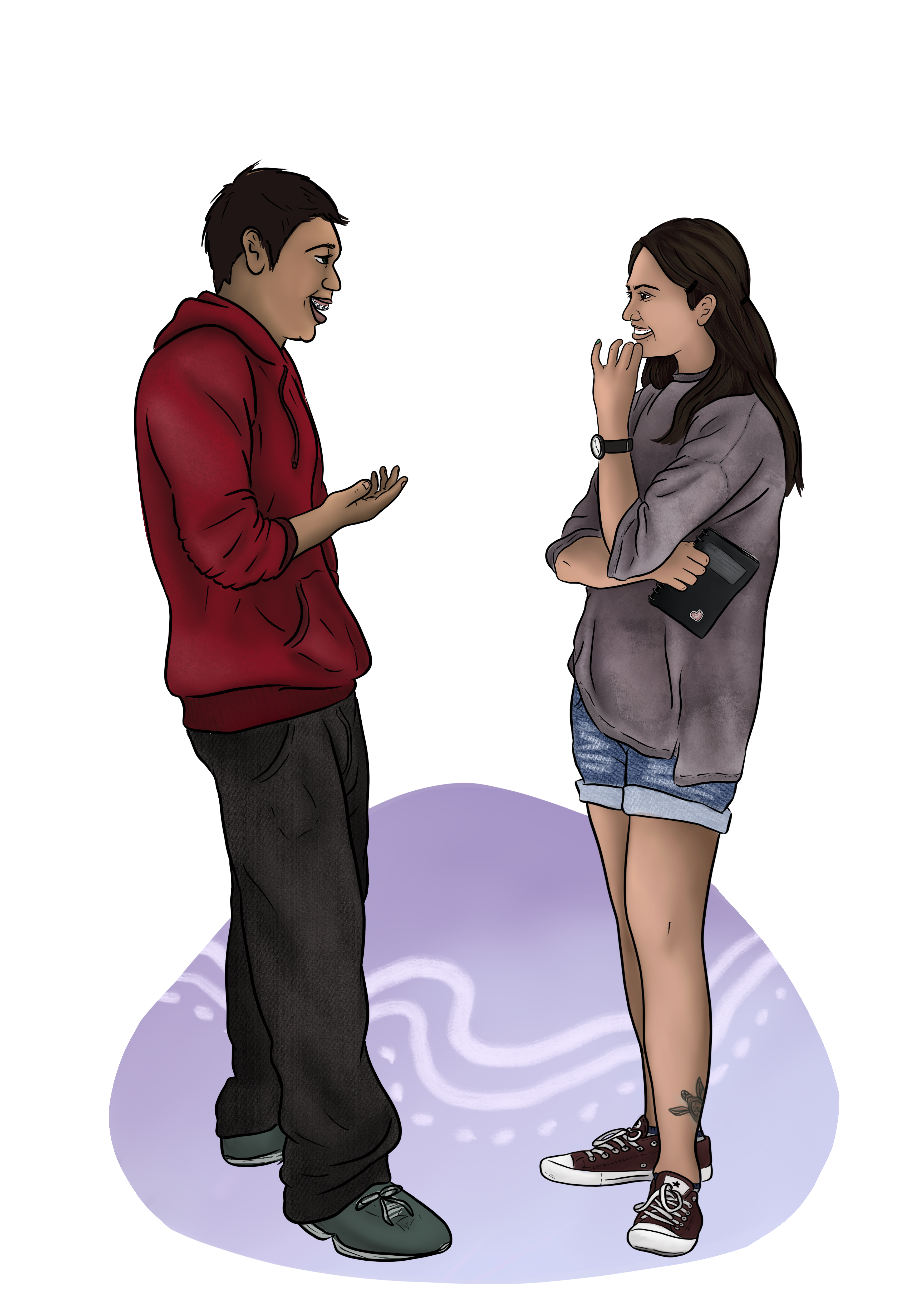
Effective programs have been shown to:
-
strengthen adolescents’ confidence and decision‑making
-
delay the onset of sexual activity
-
increase contraceptive use among sexually active adolescents
-
help prevent teenage pregnancy and STIs
-
create safe spaces for young people to learn about relationships and sexual health outside the home.
Cultural considerations
Both students and educators will have their own values, beliefs, attitudes and expectations when it comes to sexuality and relationship education. These resources highlight some cultural factors you will need to consider when engaging with Aboriginal students to ensure that your discussions are respectful and inclusive. In particular, it is important to:
- listen and learn together
- acknowledge that certain issues may be embarrassing or difficult to talk about
- display respect and understanding of Aboriginal cultures
- build a rapport with students
- be flexible and responsive, while at the same time create an environment which is supportive
- not make assumptions about knowledge, sexuality and/or behaviour (NSW Education).
To report a broken link or to request a resource to be added to this page, please email shbbvp@health.wa.gov.au.

Student Perspectives
Produced as part of the Voices in Sexuality Education series, this short video (5:10min) provides insights into what Aboriginal and Torres Strait Islander students want from sexuality and relationship education and mentions some culturally appropriate teaching methods and styles. (Produced by the Centre for Excellence in Rural Sexual Health)
Family Perspectives
Produced as part of the Voices in Sexuality Education series, this short video (3:13min) provides information about how to engage Aboriginal and Torres Strait Islander families and communities in sexuality and relationship education. (Produced by the Centre for Excellence in Rural Sexual Health)
Sexuality Education Matters
This resource is designed to assist those teaching in pre-service teacher education programs and to enable graduating teachers to be equipped with the knowledge, skills, comfort and confidence to integrate sexuality education content, issues and activities in health education programs. It includes a section on Aboriginal and Torres Strait Islander diversity. (Produced by Deakin University)
Cultural Respect Guide
While aimed predominantly at health professionals, this resource has important information for improving communication with Aboriginal people with respect to sex and sexual health. (Produced by NSW North Coast Area Health Service)
Learning resources
All students learn in different ways. This page provides links to a range of learning activities, videos, websites and resources that have been designed for use with youth, including Aboriginal youth.
To report a broken link or to request a resource to be added to this page, please email shbbvp@health.wa.gov.au.
GDHR
Growing and Developing Healthy Relationships (GDHR) website is designed to support and assist Western Australian teachers, school nurses and schools to provide positive and comprehensive relationships and sexual health education. (Produced by WA Health)
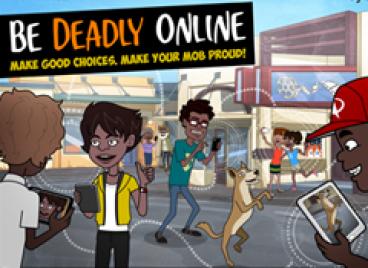
Be Deadly Online
Be Deadly Online is a community program about the big issues online, like bullying, sexting, reputation and respect for others. The website contains school resources like short videos, lesson plans and posters. (Produced by the Office of the Children's eSafety Commissioner)
Get the Facts
This site gives young people advice and accurate information on relationships and safer sex. They can read information pages, play games, have questions answered confidentially by a health professional and read true stories. (Produced by WA Health)

Syphilis Story (for women)
A click through interactive story about a young woman who has Syphilis
Healthy Native Youth
HealthyNativeYouth.org contains health promotion curricula and resources for American Indian and Alaska Native youth. This site is designed for tribal health educators, teachers and parents-- providing the training and tools needed to access and deliver effective, age-appropriate programs.
Talking Respect Resources
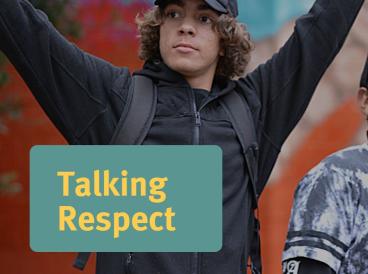
This resource package includes a facilitator manual and two series of short videos, embedded into slideshows with discussion questions, to support the delivery of respectful relationships content.
This content was designed for use in school and community settings to discuss themes of healthy relationships, consent, relationship violence, social media, the influence of pornography and getting support.
This was developed with consultation from a range of organisations in Alice Springs and Tennant Creek.
Sexting and Sending Nudes
The eSafety Commissioner has information for Aboriginal people, to increase awareness and practical tips on image-based abuse
Other Resources for you
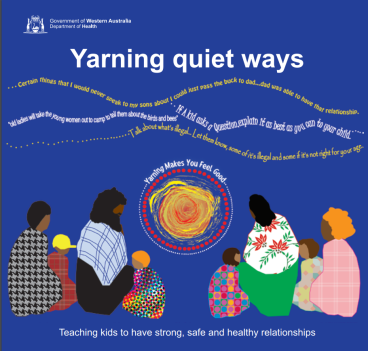
Yarning Quiet Ways
Kids whose parents yarn with them about sex and relationships often have sex at an older age and make safer choices than kids who are left to find out for themselves. This resource is all about the types of things mums and dads can be yarning with their kids about so they can have the skills and knowledge to have strong, safe and healthy relationships. (Produced by WA Health)

Aboriginal Parent Easy Guides
These guides offer simple, easy-to-read information on many of the issues faced by parents from birth through adolescence. Topics include: being a dad, healthy families; role models; safe families; strong families; teenagers. Enter 'Aboriginal Parent Easy Guides' in the 'Search Keyword' box to access list of relevant guides. (Produced by Parenting SA)

iParent
This website gives parents information to help kids have positive and safe online experiences. It includes information on sexting and pornography. (Produced by the Office of the Children's eSafety Commissioner)
Kids Helpline
This website has lots of tips and information for parents on topics such as building respectful relationships, dealing with breakups and staying safe online. (Produced by Kids Helpine)
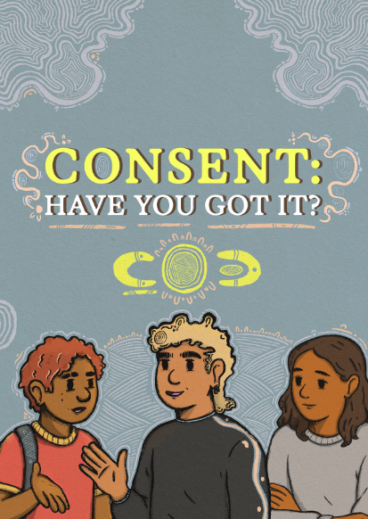
'Consent: Have you got it?' Guide
This guide was developed in collaboration with Aboriginal people to better understand and talk about consent, what it looks like, how to communicate it, and why it matters.
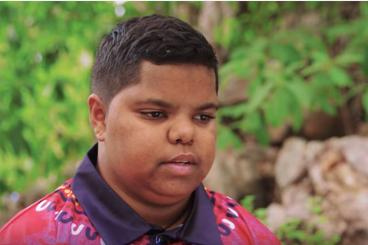
Taz's Story
Taz Clay talks about his incredible journey from a transgender female to male Indigenous person. This video offers insights into the need to support youth finding their own sexual and gender identities. (Produced by Headspace)
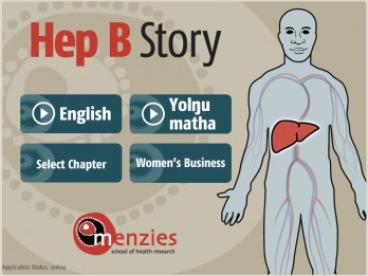
Hep B Story
The Hep B story is a visual, interactive app in English and Yolŋu matha designed for patients living with chronic hepatitis B (hep B) and their families. It tells the story of the hep B virus, how you get it, what happens over time, how you know you have it as well as details about immunisation and treatment (including a game). There is also a separate women's section dealing with mother to child transmission and ways to prevent it.
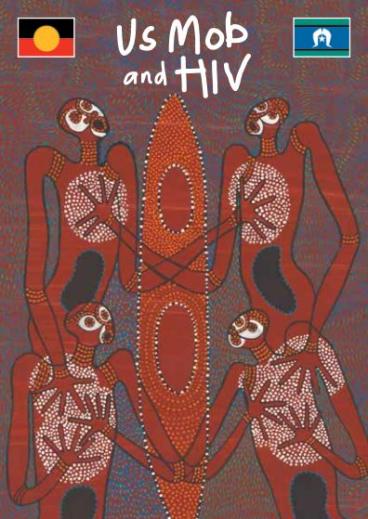
Us Mob and HIV
This booklet provides basic information on HIV, focusing on transmission, prevention, HIV testing, HIV treatments, health monitoring, care and support available for people with HIV, as well as service contact details.
Young Deadly Free Resources
Young Deadly Free have released two Relationships and Sexuality Education resources for teachers to use including Young Deadly Free: How to have healthy relationships and Young Deadly Free: Supporting each other to look after our sexual health.
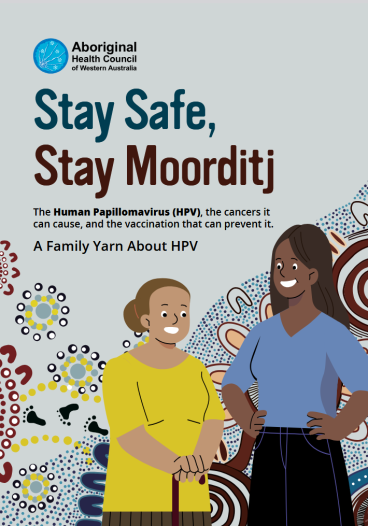
Stay Safe, Stay Moorditj
A family-friendly booklet that explains HPV, its risks, and the Gardasil 9 vaccine to support Aboriginal families to keep young people healthy

Go along Philis!
A culturally grounded flip chart that helps health workers yarn with Aboriginal communities about syphilis, its symptoms, prevention, testing and treatment.
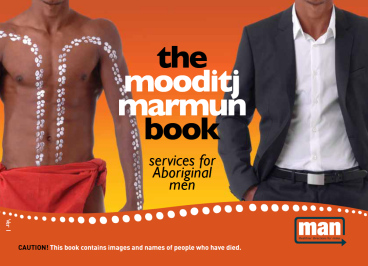
The Mooditj Marmun Book
A practical directory connecting Aboriginal men with culturally appropriate health, wellbeing and support services across Western Australia.
Resources for young people
You might find it useful to sit down with your young people and watch an educational video or explore a website together. Doing this might make it easier for you both to start talking if you are not sure where to start. It also helps to teach young people where they can go to find out accurate information for themselves.
To report a broken link or to request a resource to be added to this page, please email shbbvp@health.wa.gov.au.
Telling It Like It Is
This video contains interviews with peer educators who share their experiences of being an Indigenous teenage parent. By describing the high and low points, these peer educators hope to help other Indigenous teenagers have children by choice, not by chance. (Produced by Marie Stopes Australia in partnership with Victorian Aboriginal Community Controlled Health Organisation and Family Planning Victoria)
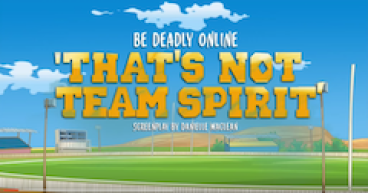
That's Not Team Spirit
That's Not Team Spirit focuses on sexting and the risks of sharing sexy pics. Aimed at Indigenous Australians who are 14 years and older the video is designed to help users understand how their online actions can easily have real life consequences. (Produced by Office of the Children's e-Safety Commissioner)

Walkern Katatdjin | Rainbow Knowledge
A collection of resources created by the Walkern Katatdjin team, including Self Care guides and Access Resources.
Girls' Sexual Health video
This video encourages Aboriginal girls to have regular well-being check-ups if they are having sex to ensure nothing gets out of control. (Produced by Goolarri Media)
Boys' Sexual Health video
This video encourages Aboriginal boys to have regular well-being check-ups if they are having sex to ensure nothing gets out of control. (Produced by Goolarri Media)
Take Blaktion TV
Take Blaktion TV consists of two videos featuring Steven Oliver and Elizabeth Wymarra. The videos use humour to encourage open conversations about sexual health. (Produced by NSW Health and the Aboriginal Health and Medical Research Council of NSW)
BlaQ Aboriginal Corporation
BlaQ is the peak organisation for Aboriginal Lesbian, Gay, BIsexual, Transgender, Queer + Sistagirl and Brotherboy Peoples in NSW. They are working with the Aboriginal and Torres Strait Islander queer community toward a future where all blak queer people are valued and safe in all aspects of society.